Rationale:
- Around 30% of people with rare diseases do not experience symptoms until adulthood.
- Despite a substantial proportion of people with rare diseases first experiencing symptoms in adulthood, awareness and understanding of adult-onset rare diseases among the public and healthcare professionals remains limited, often resulting in substantial delays to diagnosis. Furthermore, poor HCP communication and a lack of tailored information for those whose rare disease onset in adulthood negatively impact the healthcare experience of many older rare disease patients.
- Adult-onset rare diseases are under-represented in rare disease plans and policies worldwide. They receive less research funding than childhood rare diseases and the voice of older patients with rare diseases is often not heard.
- The voice of the older rare disease patients is often missing from the conversations about rare diseases.
Why we must act now
- On 24 May 2025, the Resolution on Rare Diseases was officially adopted at the 78th World Health Assembly (WHA78). This is a significant milestone for the global rare disease community. Its adoption by WHO Member States is a significant step towards ensuring equity, visibility and inclusion for the estimated 300 million people worldwide living with a rare disease. What attention is reserved for patients with rare diseases that only manifest in adulthood?
- On 12 November 2025, the European Parliament held a plenary debate on the new 2028–2034 MFF: architecture and governance. MEPs, as well as representatives from the Commission and the Council, discussed the architecture and governance of the EU's long-term budget for 2028–2034 (the multiannual financial framework, or MFF). What about health-related issues? And what about people living with rare diseases (of whom there are between 27 and 36 million in the EU)?
Together, we must work towards improving the care and treatment of adults with rare diseases. The time for coordinated, evidence-based action is now.
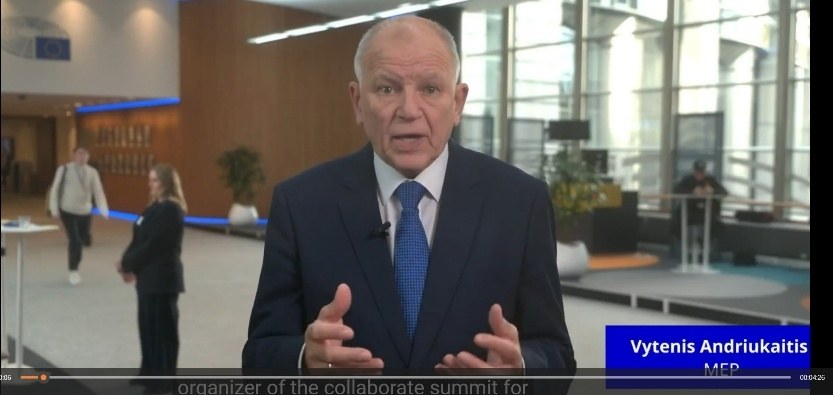
Video message from MEP Vytenis Andriukaitis on the occasion of the COLLABORATE Summit 2025
About COLLABORATE
- The first-of-its-kind, multistakeholder COLLABORATE initiative aims to understand the challenges faced by people with adult-onset rare diseases, and to identify opportunities for change.
- COLLABORATE is a global community of people living with rare diseases, patient advocates, clinicians, researchers, and partners who are united by one mission: to improve the lives of those affected by rare diseases through collective knowledge, shared experience, and meaningful action. Particular attention is given to the condition of patients with adult-onset rare diseases.
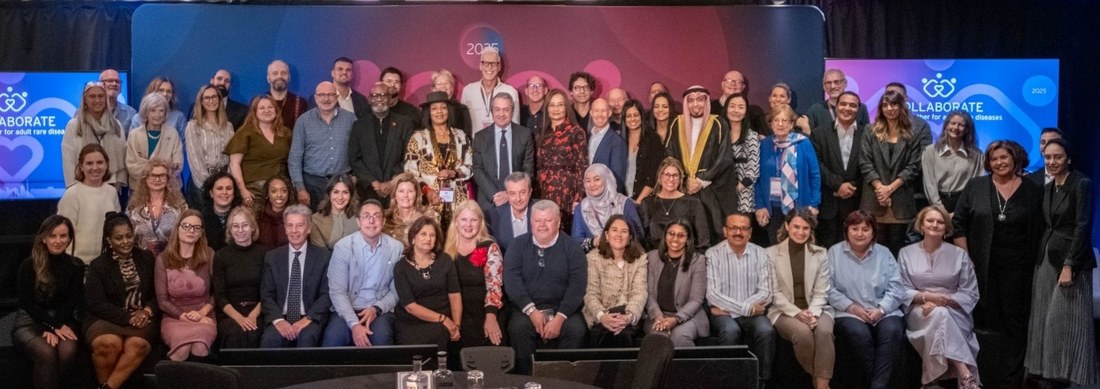
- Over the years and through four Global Summits, COLLABORATE has become a powerful platform for promoting equitable healthcare for adults with rare diseases.
- The Rare Disease Community COLLABORATE platform brings together over 60 patient advocacy groups (PAGs) and experts from more than 30 countries within the rare disease community and beyond.
- The documents promoted in the context of COLLABORATE: “Ensuring the equal consideration of and attention to older adults with rare diseases in policies worldwide” and “Ensuring integrated, coordinated care for all people living with a rare disease across their entire life course” provide a foundation for elevating the challenges faced by people living with adult rare diseases to a policy audience and should be leveraged for the development of local initiatives that aim to drive policy change.
- Cittadinanzattiva – Active Citizenship Network (ACN) is official COLLABORATE member. Click to find out more about ACN's active participation in the Madrid (2025), Prague (2024) and Lisbon (2023) COLLABORATE Global Summit.
To know more about COLLABORATE, click here, watch the videos (A – B) and visit the COLLABORATE FB page.
To know more about ACN commitment on rare disease, please click here.
To know more, please contact us at:
The project is realized thanks to the unconditional support of