
X
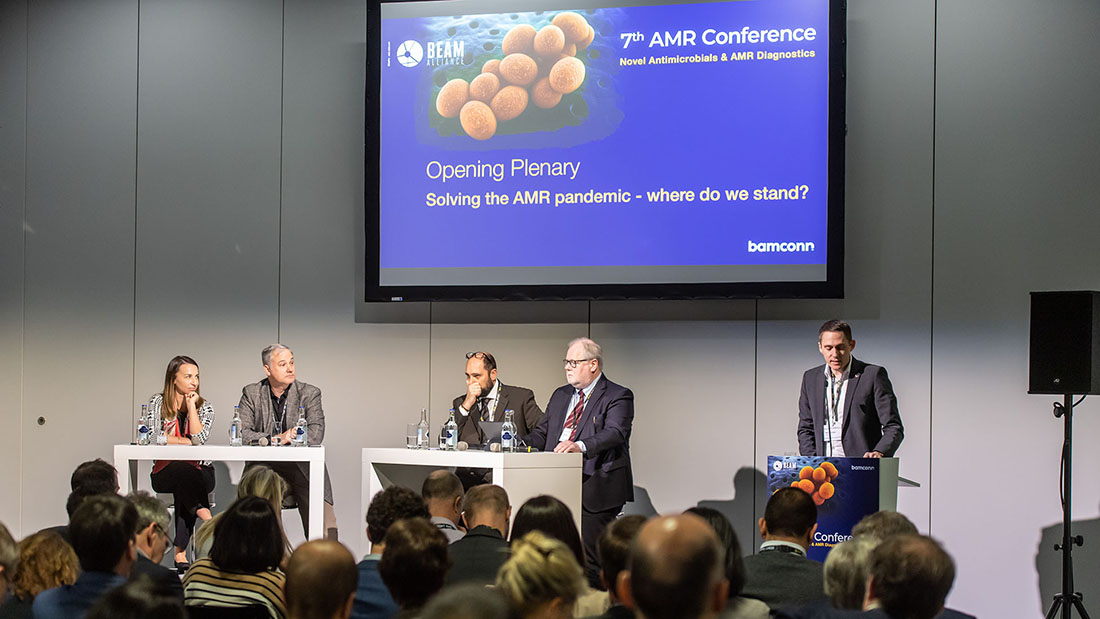
The Director of Active Citizenship Network has been invited to provide a citizens & patients’ perspective on the topic of Antimicrobial Resistance (AMR) on occasion of the 7th AMR Conference 2023 in Basel promoted by BEAM Alliance last 15/17 March 2023. It was a truly vibrant and dynamic event, and with nearly 500 international participants this was so far the largest AMR Conference on record. You can find some pictures of the conference here on the website.
This pandemic has taught us how much damage an uninformed citizen & patient who perpetrates unhealthy health-related behaviour can cause and how much, on the other hand, an informed citizen & patient can make the difference not only to his or her individual health but to the public health in general.
The 14 March 2023 from 15:00 -17:00 CET has been heald an online training seminar
realized in the framework of the project “Protecting the value of access to care during - and after - the COVID-19 pandemic across Europe: focus on antivirals” led by ACN and supported by a Pfizer’s unrestricted grant.
This pandemic has taught us how much damage an uninformed citizen & patient who perpetrates unhealthy health-related behaviour can cause and how much, on the other hand, an informed citizen & patient can make the difference not only to his or her individual health but to the public health in general.
The 14 March 2023 from 14:00 -15:00 CET has been heald an online training seminar realized in the framework of the project "Improving health literacy for better public and patient involvement in mitigating COVID-19 pandemic using interactive and intuitive educational tools" led by IAPO P4PS Observatory with the involvement of IAPO (International Alliance of Patient Organizations), the Italian NGO Cittadinanzattiva through ACN, ALCER (Spanish federation of associations fighting kidney disease) and Studiorum (Macedonian center for regional policy research and cooperation) and supported by a Pfizer’s unrestricted grant.
How many doctors are there in your city? The emergency health database. Pediatricians for children, gynecologists for women, hospital cardiologists and general practitioners: there are fewer and fewer of them and they have to take care of an increasing number of patients. But the situation changes from city to city. Discover how your province ranks based on data compiled by Cittadinanzattiva. Published by the weekly magazine l'Espresso, Cittadinanzattiva's database was created thanks to the European project "Action for Health and Equity: Addressing Medical Deserts" (AHEAD), based on numbers provided by the Ministry of Health, and tells that the crisis of doctors is dramatic, but not everywhere in the same way. Read more (IT)
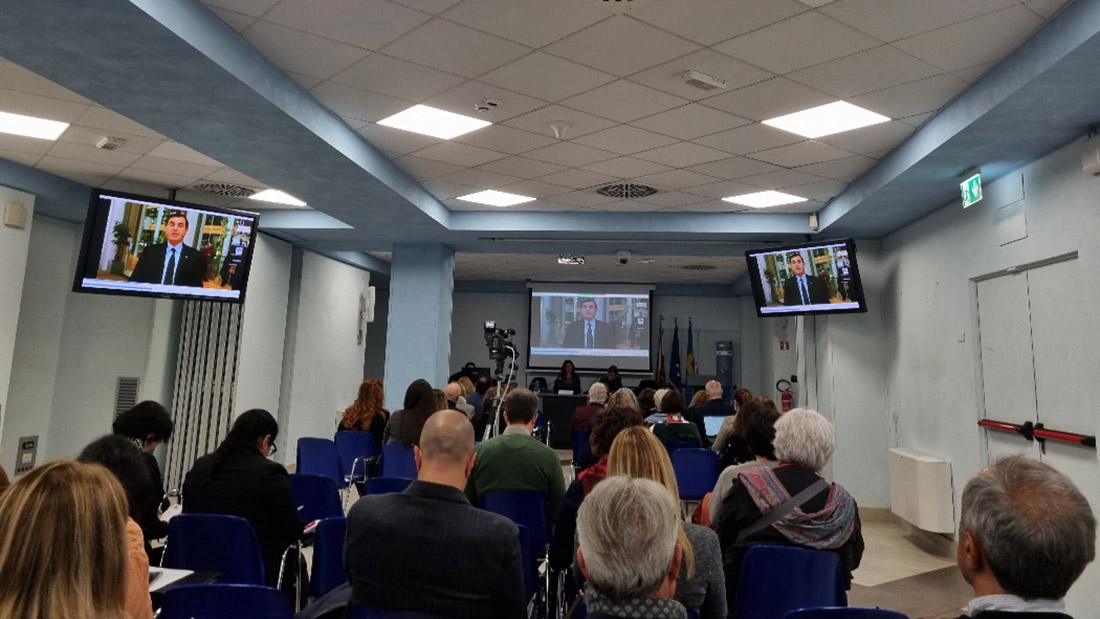
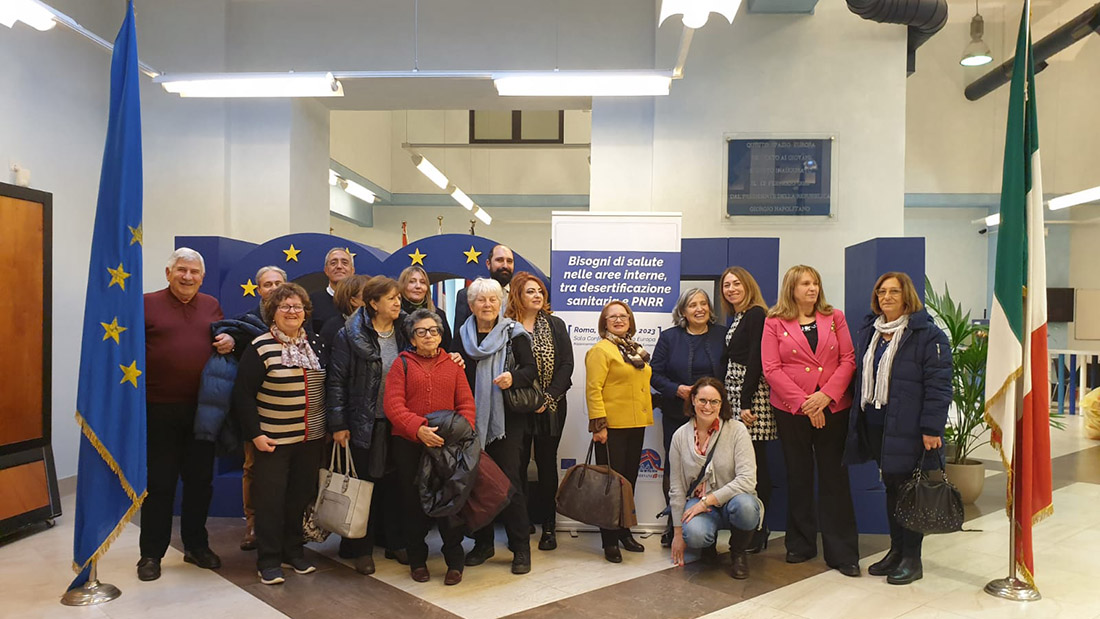
On 19 January 2023, at the European Commission Representation in Italy, took place the conference "Health needs in inner areas, between medical desertification and NRRP". The event, organized within the framework of the European project "Action for Health and Equity: Addressing Medical Deserts" (AHEAD), aimed to explore health needs in the country's inner areas starting from the difficult access to care, also caused by medical desertification, and how the resources provided by the NRRP can be an encouraging response to the needs of local communities. It started from the instances gathered in the two territories in which the AHEAD project has conducted pilot experiences: Piedimonte Matese in Campania and Avola-Noto in Sicily, to broaden the discourse to a national character.
During the conference was also presented a Report, which also contains specific regional focuses, drafted by Cittadinanzattiva, starting from official data provided by the Ministry of Health related to 2020, regarding the following health care figures: pediatricians of free choice, general practitioners, gynecologists, cardiologists and pharmacists (the latter three hospitalists) for each Italian province.
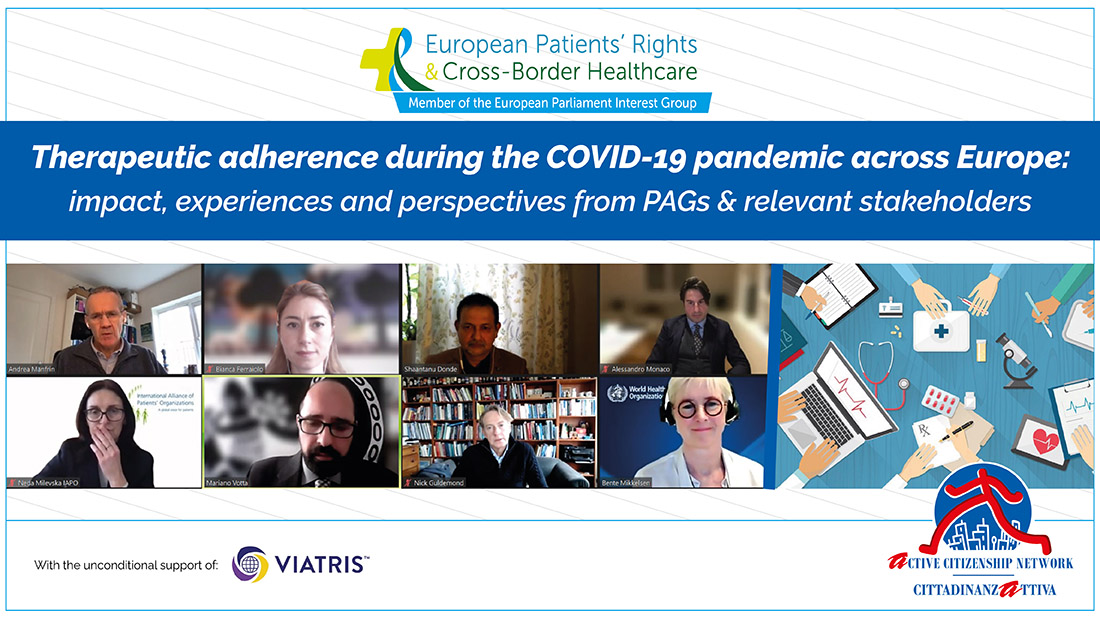
While infections and hospitalizations in Europe are currently at a minimum, the consequences of the pandemic in terms of NCD are not yet evident. In this regard, we all remember the statement by European Commissioner for Health and Food Safety Stella Kyriakides when she said in June 2022 that "we will see the effects of NCD-19 in the years to come," adding that many diagnoses and screenings have been delayed, treatments have been postponed, and disease prevention and promotion activities have been suspended. And, as demonstrated by Active Citizenship Network at the EU webinar "Therapeutic adherence during the COVID-19 pandemic across Europe: impact, experiences and perspectives from PAGs & relevant stakeholders," reduced treatment adherence was one of the main side effects of the pandemic.

Background
A circular economy is sustainable if it is able to minimise waste and simultaneously maximise value from (organic) waste materials. To realise this goal, organic waste materials require sufficient assessment. Further, the tracking and traceability of biological feedstock need to be guaranteed, and the respective bio-based value chains must be certified in a practical way. However, current certification schemes need to be strengthened since not all of them sufficiently meet the specific requirements of organic resources.
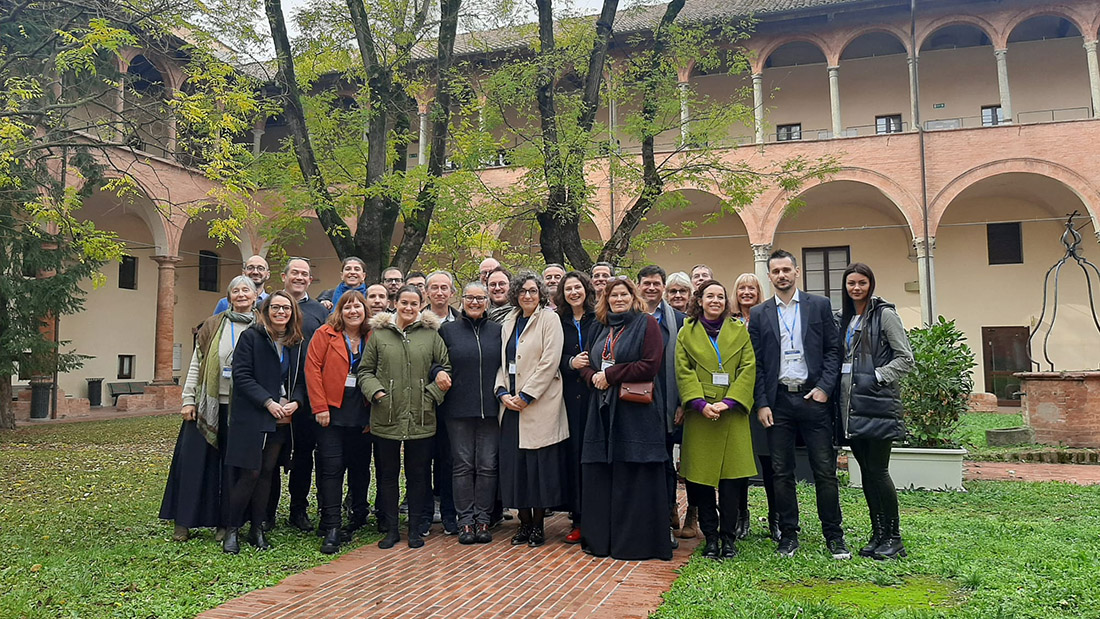
A lot has happened along 2022: all the objectives have been reached and due deliverables sent to IHI, research activities are ongoing, legal, ethical, and regulatory studies are underway, internal meetings are held regularly, and expert decision-making committees have been set up. All this progress was successfully discussed at the first General Assembly meeting, which has been held in Modena, Italy last November 2022, under the banner of optimism and awareness that the project is growing and making progress within all work packages. A first public webinar – “Let’s FACILITATE” has been held last 27 January 2023.
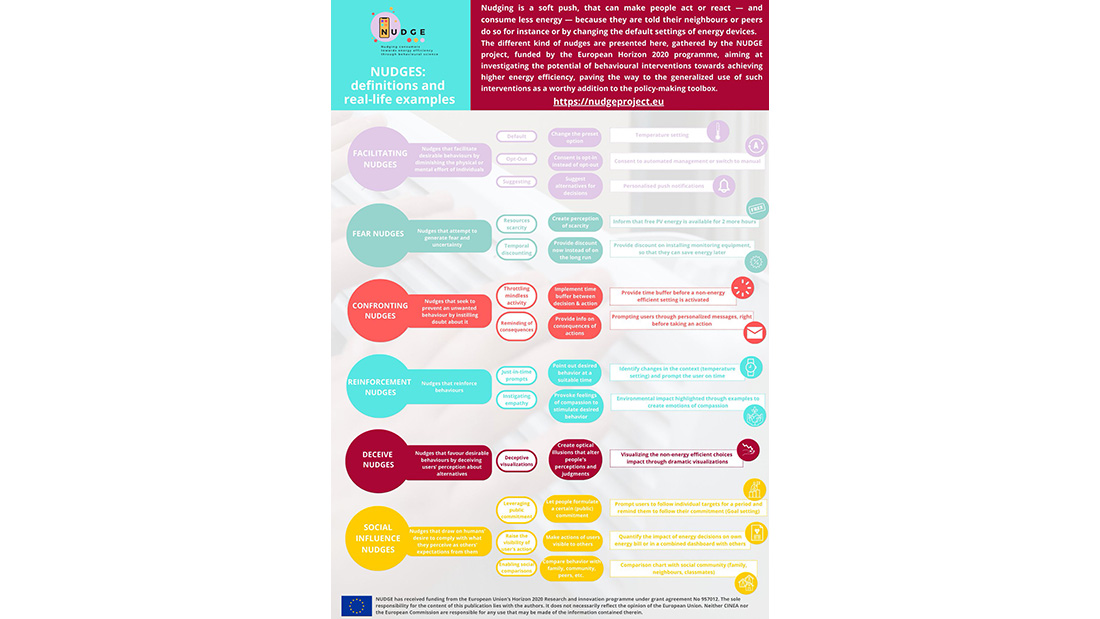
Aside from measures such as using more energy-efficient appliances or renovating homes, understanding & changing user behaviour is an essential & impactful part of reducing energy consumption. Read the policy brief realized in the context of NUDGE project, funded by the European Horizon 2020 programme, in which Cittadinanzattiva is the only consumer organization officially involved in the consortium.
Cittadinanzattiva APS
p.iva: 02142701008
via Imera, 2
00183 Roma
Tel: (+39) 06.36.71.81
Fax: (+39) 06.36.71.83.33
Rue Philippe Le Bon, 46
1000 Brussels - Belgium